
|
Getting your Trinity Audio player ready... |
Understanding Can Powder Fillers: An Essential Packaging Machine for Various Industries
Can powder fillers play a vital role in packaging operations across several industries, including cosmetics, food, pharmaceuticals, and many others. These machines are designed to efficiently fill containers with powders, ensuring that the product is dispensed accurately and safely. The can powder filling process, whether automated or semi-automated, has become essential in maintaining efficiency, consistency, and hygiene in the packaging of powdered substances.
This article delves deep into the can powder filling machines, exploring the different types, components, and factors to consider when selecting the right machine for your needs. It will also touch upon the benefits, challenges, and advanced features associated with these machines to provide a comprehensive understanding of this essential packaging equipment.
What Is a Can Powder Filler?
A can powder filler is a type of packaging machine that is specifically designed to fill containers, such as cans or jars, with powders. The machine is equipped to handle a variety of powdered products, ranging from fine powders like flour to coarser substances like granules or pharmaceutical powders. The process ensures precise filling with minimal waste, making it an essential piece of equipment in industries that require bulk powder packaging.
These machines operate using different filling techniques, including volumetric and net weight systems, each suited for different powder characteristics and packaging requirements. The goal is to provide accurate, drip-free, and efficient filling while minimizing product loss and contamination.
Types of Can Powder Fillers
There are several types of can powder fillers available on the market, each designed to meet specific needs and production volumes. Below are some of the most common types of powder filling machines:
- Auger Can Powder Filling Machine
One of the most commonly used types in the powder filling industry, the auger powder filling machine is ideal for filling free-flowing powders as well as some non-free-flowing powders. The machine consists of a hopper, an auger (a screw-like mechanism), and a filling cylinder. The auger moves the powder into the container, with the speed and precision controlled to ensure accurate fills.
Auger fillers are volumetric in nature, meaning they measure the volume of powder rather than weighing it. However, they can be equipped with weighing scales to add a more accurate measure, although the overall outcome depends on the precision of the auger’s revolutions. The auger filler’s ability to handle both fine and coarse powders, combined with adjustable speeds, makes it a versatile and widely used machine.
- Vacuum Can Powder Filler
The vacuum can powder filler uses a vacuum system to draw powder into containers. Unlike other machines that use agitators or augers, vacuum fillers rely on suction to fill the containers, which ensures that the powder does not experience compaction or breakdown. This method is particularly beneficial for powders that are prone to clumping or those that need to remain intact during filling.
These machines are commonly used in industries where delicate powders, such as certain pharmaceuticals or fine chemicals, need to be filled without alteration of their structure or properties.
- Single Head Can Powder Filler
The single head can powder filler is designed to operate through a single filling head, making it ideal for low to medium production volumes. Despite its single head, this machine is capable of filling various types of powders, both free-flowing and non-free-flowing, with high accuracy. Single head fillers are available in both semi-automatic and fully automatic versions, offering flexibility in terms of labor and automation.
- Double Head Powder Filling Machine
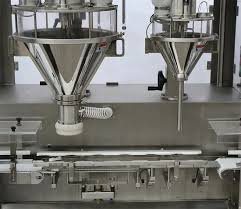
Unlike the single head version, the double head powder filling machine features two filling heads, allowing it to fill containers at double the rate. This makes it ideal for higher production volumes where efficiency is key. Like the single head machines, double head fillers can handle a variety of powder types, including both free-flowing and non-free-flowing powders. The dual heads also help ensure greater consistency and faster operation.
- Net Weight Can Powder Filling Machine
The net weight can powder filling machine is one of the most precise machines for filling powder products. Unlike volumetric machines, net weight fillers weigh the powder before it is dispensed into the container. This ensures that each container is filled with an exact amount of powder, making it particularly useful for industries where weight accuracy is critical.
This type of filler is equipped with a load cell system that adjusts the feed rate as the desired weight is approached. A “dribble feed” system ensures fine-tuned accuracy during the final phase of filling.
- Cup Fillers
Cup fillers, also known as pocket fillers, are another type of volumetric filler that is commonly used for free-flowing powders, granules, and coarse materials. These machines use a set of cups that fill with powder and then deposit it into the containers. Cup fillers are well-suited for products like granulated sugar, corn, nuts, and similar free-flowing materials.
They are available in both rotary and in-line configurations, depending on the production scale and filling requirements.
- Vertical Form Fill Sealing Can Powder Filler (VFFS)
The Vertical Form Fill Sealing (VFFS) machine is a unique filling system that combines three critical operations: packaging, filling, and sealing. The VFFS machine forms a bag from a flat roll of plastic film, fills it with powder, and then seals it, all within a continuous process. This system is ideal for packaging powders that need to be sold in bags, such as instant coffee, protein powder, and spices.
- Injectable Dry Powder Filler
The injectable dry powder filler is specifically designed for use in the pharmaceutical industry. These machines are built to handle powders that will be used for injectable medications. They ensure minimal wastage and high accuracy, which is vital in medical applications. These fillers also come equipped with a rubber stoppering mechanism to seal the containers and prevent contamination.
- Manual Can Powder Fillers
As the name suggests, manual can powder fillers require human input throughout the entire filling process. Operators are responsible for tasks such as weighing, filling, and restarting the machine. While manual fillers are labor-intensive, they are ideal for small-scale operations or situations where automated systems are not viable.
- Semi-Automatic Can Powder Filler
The semi-automatic powder filler is an intermediate option, where some aspects of the filling process are automated while others require human intervention. Typically, semi-automatic machines feature a single PLC or control system to handle tasks like filling measurements and speed adjustments. However, operators are still required for certain functions, such as loading containers or handling complex adjustments.
- Full Automatic Powder Filler
The full automatic can powder filler is the most advanced option, using the latest technology to handle all aspects of the filling process, from powder measurement to container loading and sealing. These machines are capable of handling both powders and granules, offering a high degree of precision, reliability, and efficiency. Full automatic machines are best suited for large-scale production lines.
Materials Used in Can Powder Fillers
The materials used in the construction of can powder fillers are critical for ensuring longevity, hygiene, and the safe handling of powders. Stainless steel 304 is the most common material used for components that come into contact with the powder, as it is corrosion-resistant, easy to clean, and durable. The entire machine, including the hopper, filling spout, and feeding port, is often made from stainless steel to prevent contamination and facilitate cleaning.
Key Powder Characteristics for Selecting the Right Filler
When choosing a can powder filling machine, understanding the characteristics of the powder to be filled is crucial. These characteristics include:
- Powder Fineness: Powders can range from very fine to coarse, and the filling machine must be selected accordingly. Fine powders require more delicate handling to prevent clumping, while coarse powders may need larger dosing mechanisms to fill containers efficiently.
- Powder Flow Properties: Powders vary in their flow properties, including friction, flow rate, cohesive strength, and bulk density. Understanding these factors helps in selecting the right machine, as powders with poor flowability require special handling to ensure accurate fills.
Benefits of Using Can Powder Fillers
Investing in a can powder filling machine offers several advantages, including:
- Hygiene and Safety: Stainless steel construction ensures that the product is handled in a clean and sanitary environment.
- Cost Reduction through Automation: Automated fillers help reduce labor costs and improve overall efficiency.
- Streamlined Production: Machines are designed for high-volume production, improving output and reducing downtime.
- Improved Product Quality: Automated filling systems minimize human error and contamination, ensuring a higher quality product.
- Extended Shelf Life: Properly filled and sealed containers help extend the shelf life of powders by preventing contamination.
Drawbacks of Can Powder Fillers
Despite their many advantages, can powder fillers do come with a few challenges:
- Limited Precision for Irregular Powders: Auger fillers, for instance, may not work well with powders that have irregular shapes or densities.
- Cost Considerations: Advanced systems, such as VFFS or net weight fillers, can be expensive.
- Dust Generation: Fine powders, such as talcs or flour, can create dust during the filling process, leading to potential safety and cleanliness concerns.
Main Components of Can Powder Fillers
The key components of a can powder filling machine typically include:
- Filling Motor: Controls the speed and revolutions of the auger or filler.
- Mixing Motor: Regulates the intensity of the mixing process.
- Hopper: Holds the powder before it is dispensed into the containers.
- Level Detector: Ensures the right amount of powder is dispensed.
- Control Box: Houses the machine’s control and power systems.
Conclusion
Can powder fillers are essential for industries that rely on efficient, hygienic, and accurate powder packaging. With various types of fillers available, businesses can select the ideal machine based on their specific powder characteristics, production needs, and budget. While automation has made the process more efficient, understanding the different machines’ operations, benefits, and limitations is crucial to making the best choice for your packaging needs.
Advantages of Vacuum Can Powder Fillers:
Vacuum can powder fillers are becoming an essential component in various industries, primarily due to the numerous benefits they provide in the powder filling process. The process of filling cans with powdered products, such as pharmaceuticals, food ingredients, or chemicals, can be challenging without the right equipment. Vacuum can powder fillers provide numerous advantages that make them ideal for these types of operations.
- Maintains Product Integrity: One of the primary benefits of using a vacuum can powder filler is that it helps maintain the integrity of the powdered products. Since the breakdown of the powder is minimal, the process preserves the quality and texture of the product. This is particularly important when dealing with sensitive powders, such as pharmaceuticals or food ingredients, where even slight alterations can affect the final product’s performance or consumption.
- Minimal or No Dust Generation: Traditional powder filling methods often lead to the creation of dust, which can be harmful to both workers and the environment. However, vacuum can powder fillers are designed to generate minimal or no dust, ensuring a cleaner work environment and reducing health risks for operators. This is especially important in industries like food processing or pharmaceuticals, where maintaining a clean and safe environment is crucial.
- Flexible Design Options: Vacuum can powder fillers are available in both semi-automatic and fully automatic versions, offering flexibility depending on the production scale and requirements. Semi-automatic machines allow for manual oversight and adjustments, while fully automatic machines reduce human intervention, increasing efficiency and reducing labor costs. The flexibility of these designs ensures that businesses can select the right type of filler based on their production needs.
- Capability to Handle Different Powder Types: Another significant advantage of vacuum can powder fillers is their ability to fill both free-flowing and non-free-flowing powders. Free-flowing powders, such as flour or sugar, flow easily and are easier to fill, while non-free-flowing powders, such as certain pharmaceutical powders, can be more challenging. Vacuum can fillers are designed to handle both types, making them versatile and efficient.
- Ease of Cleaning and Quick Changeover: Vacuum can powder fillers are designed for easy cleaning, ensuring that there is minimal downtime between production runs. The equipment’s quick changeover features allow for rapid switching between different types of products or packaging sizes. This is particularly valuable for industries where product variety and packaging flexibility are essential to meet customer demands.
Difference Between Inline and Rotary Can Powder Filling Machine Layout:
Can powder filling machines are typically designed in two primary layouts: inline and rotary. The main distinction between these two types lies in their physical design and operational characteristics, each offering unique benefits depending on the production environment.
- Inline Can Powder Fillers: An inline can powder filler operates in a straight line. The process begins at one end of the machine and concludes at the opposite end, which often requires a large amount of floor space. The setup is simple and linear, with each can progressing sequentially through the stages of filling. This layout is beneficial for large-scale operations that require continuous filling of a single product or type of can.
- Rotary Can Powder Fillers: In contrast, rotary can powder fillers are designed in a circular arrangement. The cans are loaded onto a rotating platform, and the filling process takes place in a more compact and ergonomic manner. The start and endpoint of the filling process are located near each other, making this layout ideal for smaller production spaces. The rotary design is also more operator-friendly as the machine’s layout reduces the need for excessive movement, improving efficiency and reducing operator fatigue.
While both systems are highly efficient, the choice between inline and rotary fillers largely depends on the available floor space and the specific needs of the production facility.
How to Specify a Can Powder Filler:
When selecting a can powder filler, there are several factors to consider in order to ensure that the machine meets the specific requirements of your production process. These factors influence the machine’s efficiency, ease of use, and overall performance.
- Control Mechanism: A can powder filler should be easy to operate and control. For optimal performance, it’s advisable to choose a machine equipped with a digital Programmable Logic Controller (PLC) and a Human-Machine Interface (HMI). These systems allow operators to easily monitor and adjust settings, ensuring consistent quality and performance.
- Machine Type: Can powder fillers come in semi-automatic or fully automatic versions. A semi-automatic machine requires manual input for some processes, while a fully automatic machine can perform the entire filling process autonomously. Your choice will depend on factors such as production volume and the level of automation required.
- Filling Speed: The speed of the can powder filler is another important consideration. Ensure that the machine has a reasonable filling rate that matches your production demands. You should select a machine that can handle your desired production volumes without sacrificing accuracy.
- Drive Mechanisms: The drive system in a can powder filler powers the rotating components. There are several types of motors available, including electric motors, variable frequency drives (VFD), stepper motors, servo motors, and vacuum suction systems. Each system has its own benefits depending on factors like precision, power requirements, and cost.
- Material Type: The materials used in the construction of the filler are crucial to its longevity and performance. It’s important to select a machine made from high-quality, corrosion-resistant materials, such as stainless steel, to ensure durability and hygiene. This is particularly important for industries that deal with sensitive products, such as food and pharmaceuticals.
- Fill Control and Sensors: To achieve accurate filling, a can powder filler should be equipped with various sensors and detectors. These devices ensure that the right amount of powder is dispensed into each can. Additionally, timers can be used to monitor the filling process and trigger automatic adjustments when necessary.
- Filling Accuracy and Error Tolerance: While no machine is perfect, it’s important to select a can powder filler with a low filling error. Ideally, the machine should have a filling error of less than 1%, ensuring that each can receives the correct amount of product. This is especially important in industries like pharmaceuticals, where accuracy is critical.
- Hopper Volume: The hopper is where the powder is stored before being dispensed into the cans. The hopper size should be appropriate for the volume of product being filled. Larger hoppers are required for high-volume productions, while smaller hoppers are suitable for lower volume or specialty products.
- Filling Range: The filling range of the machine determines the variety of products it can handle. A versatile machine can fill different types and sizes of containers, from small cans to large tins. Be sure to choose a filler with a wide filling range if you plan to package a variety of products.
Quality Standards for Can Powder Fillers:
When investing in a can powder filler, it’s essential to ensure that the equipment meets industry-specific quality standards. These standards ensure that the machine operates safely, effectively, and within regulatory requirements.
- ISO/TC 313: This standard establishes international guidelines for filling and packaging systems, ensuring that the equipment meets global quality requirements.
- cGMP: Current Good Manufacturing Practices (cGMP) are essential for ensuring that the can powder filling process meets the necessary safety and quality standards in industries like pharmaceuticals and food processing.
- FDA Compliance: For industries dealing with food and beverages, FDA compliance is essential. The filler must meet the FDA’s strict regulations on hygiene, safety, and quality to ensure consumer health is protected.
- RoHS Compliance: The Restriction of Hazardous Substances (RoHS) standard ensures that the can powder filler does not contain hazardous materials that could harm the environment or human health.
- CE Mark: The CE mark signifies that the machine complies with European health, safety, and environmental standards, making it suitable for use in the European market.
- CCC Mark: The China Compulsory Certification (CCC) mark ensures that the can powder filler meets China’s safety standards, which is required for products sold in the Chinese market.
Industries Using Can Powder Fillers:
Can powder fillers are employed across various industries due to their versatility and ability to handle a wide range of powdered products. Some of the primary sectors using these machines include:
- Pharmaceutical Industry: The pharmaceutical industry often uses can powder fillers to fill containers with powdered medications or drugs. Precision is crucial in this sector to ensure the correct dosage of each product.
- Veterinary Industry: Similar to the pharmaceutical industry, the veterinary industry also requires powder fillers for medications in powder form, which are often mixed with water for animal consumption.
- Food and Beverage Industry: In food processing, powders like flour, powdered sugar, and milk powder are commonly filled using can powder fillers. This is an essential part of the packaging process for many food products.
- Chemical Industry: The chemical industry also uses can powder fillers to package powders, both reactive and non-reactive. This includes industrial chemicals, fertilizers, and other powdered substances.
- Cosmetics Industry: Cosmetic products such as baby powder and cosmetic detergents are often packaged using can powder fillers, ensuring that the powder is dispensed in the correct amounts.
- Household Care: Household products like powdered detergents and cleaning agents are filled using can powder fillers, ensuring that the correct quantity is dispensed into each package.
- Agriculture: Can powder fillers are also used in agriculture to fill containers with fertilizers, both organic and inorganic. This is crucial for packaging the right amount of product for distribution.
Technological Advancements in Can Powder Filling:
The can powder filling industry continues to evolve with advancements in automation and robotics. New technologies are being integrated to improve efficiency, reduce costs, and enhance worker safety. Cobots, or collaborative robots, are one such advancement, designed to work alongside human operators to enhance productivity and safety. These robots can be quickly redeployed and are equipped with adjustable force and stroke automation tools, allowing them to handle various sizes, shapes, and conditions of raw materials.
In addition, new sensors and robotic arms are being developed to provide precise and adaptable filling capabilities. These technologies enable faster and more efficient packaging, reducing downtime and increasing throughput.
Benefits of Screw-Driven Can Powder Fillers:
Screw-driven can powder fillers offer several advantages over other filling methods. They are more efficient, cost-effective, and can handle both free-flowing and non-free-flowing powders. Furthermore, they are relatively dust-free, even when dealing with fine powders. This is because the process is enclosed, preventing powders from escaping into the air. Screw-driven fillers can also be integrated with other packaging machinery and are highly versatile in terms of filling capacity, making them suitable for a wide range of products.
Working Principles of Can Powder Fillers:
There are various types of can powder fillers, each with its own operational principles. Auger can powder fillers use rotating augers to eject powder into cans, while net weight fillers use load cells to monitor the weight of powder dispensed into containers. Both types are designed to ensure accurate filling and minimal wastage, making them ideal for precise operations.
Powder Filling Techniques:
In the powder filling industry, there are two primary techniques: volumetric filling and gravimetric filling. Volumetric filling is based on the capacity of the auger, while gravimetric filling involves filling based on weight measurements, ensuring greater accuracy. These techniques are often combined with advanced technologies such as load cells and PLC systems to ensure precise filling of powders.
Conclusion:
Vacuum can powder fillers provide numerous advantages that enhance the efficiency, accuracy, and safety of powder filling operations. With advancements in technology and automation, these machines continue to evolve, offering new capabilities that benefit a wide range of industries. Whether for pharmaceuticals, food processing, or agriculture, selecting the right powder filler is crucial for ensuring high-quality products and smooth production processes. By understanding the various types of fillers, their advantages, and the latest technologies, businesses can make informed decisions that optimize their operations.