
|
Getting your Trinity Audio player ready... |
The Role and Importance of Pharmacy Packaging Machines in Pharmaceutical Production
Pharmacy Packaging Machines: In the pharmaceutical industry, ensuring the safety, efficacy, and proper distribution of products is paramount. This holds true across every aspect of production, including capsule filling, tablet compression, ampoule filling, and particularly, pharmaceutical packaging. Packaging plays a critical role in ensuring that pharmaceutical products remain intact, effective, and safe from the point of manufacture until they reach the consumer. To accomplish this goal, pharmaceutical companies rely heavily on specialized packaging machines. These machines ensure that each product is securely packed, minimizing the risk of damage and contamination, while also adhering to regulatory standards.
In this guide, we will explore the various types of pharmaceutical packaging machines, their functions, and the critical role they play in pharmaceutical production. Whether you are involved in packaging capsules, liquids, syringes, or ampoules, this guide will provide you with the essential knowledge needed to understand the complexities and requirements of pharmaceutical packaging.
What is a Pharmacy Packaging Machines?
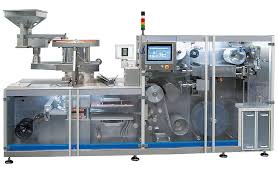
A pharmacy packaging machine is specifically designed to package pharmaceutical products in a manner that maintains their integrity and ensures they are safe for consumer use. Packaging is a crucial part of the pharmaceutical production process because it involves placing the product into containers that not only preserve its quality but also prevent contamination. Packaging is designed to protect pharmaceutical products from environmental factors such as moisture, light, and temperature changes, which could otherwise compromise the product’s effectiveness.
Effective pharmaceutical packaging should maintain the product’s pharmaceutical integrity from the time of manufacture to the point of consumption. For example, blister packs for tablets or capsules provide protection from moisture and prevent tampering, ensuring that the product remains safe and effective throughout its shelf life. The packaging process also contributes to the branding and overall presentation of the product, which can significantly influence its success in the marketplace.
A pharmacy packaging machine typically includes features such as sealers, label applicators, case packers, and overwrapping machines, all of which work in tandem to ensure the product is securely packed. These machines are highly versatile and are used across different stages of the packaging process, from primary to tertiary packaging.
Key Components of a Pharmacy Packaging Machine
The pharmacy packaging machine includes several components that work together to facilitate the safe and efficient packaging of pharmaceutical products. Some of the most common features of these machines include:
- Sealers: These ensure that the packaging is properly sealed to prevent contamination and maintain product integrity.
- Label Applicators: These machines apply labels with necessary product information, including dosage, manufacturer details, and expiration dates.
- Hand Packing Solutions: These are used for manual packing in cases where automation may not be possible or necessary.
- Case Packers: These machines help group and package multiple items into cases for easier distribution.
- Hard Film Overwrappers: These provide an additional layer of protection to products, particularly in the case of ampoules or vials.
A reliable pharmacy packaging machine should be adaptable, capable of handling a variety of products, and able to meet the specific packaging requirements for each. Flexibility is particularly important when it comes to the different types of pharmaceutical products, such as tablets, liquids, or syringes, which each require different packaging methods to maintain their efficacy and safety.
Packaging Materials for Pharmaceuticals
The materials used for packaging pharmaceutical products are as critical as the machines that perform the packaging itself. Packaging materials must be selected based on the product’s chemical and physical properties, as well as its protective needs. The right packaging ensures that the product is not only safe for consumption but also maintains its effectiveness until it reaches the consumer.
Types of Pharmaceutical Packaging Materials
Pharmaceutical packaging materials can be categorized into three main types based on their contact with the product:
- Primary Packaging: This is the packaging that comes into direct contact with the product. For example, in the case of tablets, the blister pack or bottle would be considered primary packaging.
- Secondary Packaging: This type of packaging is used to group multiple primary packages together. For example, a cardboard box that holds several blister packs or bottles is considered secondary packaging.
- Tertiary Packaging: This packaging is used for bulk handling, warehouse storage, and transportation. Pallets or crates used for shipping multiple cases of pharmaceuticals are examples of tertiary packaging.
Common materials used in pharmaceutical packaging include:
- Glass: Used for bottles, vials, ampoules, and syringes due to its non-reactive nature.
- Plastics: Widely used in the form of bottles, pouches, tubes, and laminates.
- Rubber: Used for closures, caps, vials, and plungers.
- Metals: Such as for aerosol containers, foils, and collapsible tubes.
- Paper and Cardboard: These materials are generally used for secondary packaging, including cartons, boxes, and labels.
Characteristics of Pharmaceutical Packaging Materials
The materials chosen for pharmaceutical packaging must meet several important criteria, including:
- Non-reactivity: The material must not react with the product, which could alter its composition or effectiveness.
- Protection from Environmental Factors: Packaging must offer protection from light, moisture, and oxygen to maintain the stability of the product.
- Non-toxicity: The materials should not introduce any harmful substances that could contaminate the product.
- Tamper Resistance: Packaging must be tamper-proof to ensure that consumers are protected from potentially dangerous alterations.
- Regulatory Approval: The materials must be approved by relevant authorities, such as the U.S. Food and Drug Administration (FDA).
- Compatibility with Packaging Machines: The material must be compatible with the high-speed packaging equipment used in pharmaceutical production.
Quality Standards in Pharmaceutical Packaging
Pharmaceutical packaging is governed by strict regulations and quality standards, which are designed to ensure that the packaging not only protects the product but also maintains its efficacy throughout its shelf life. These regulations are set by various governing bodies, including the World Health Organization (WHO), the U.S. Food and Drug Administration (FDA), and other national and international standards organizations.
Key Standards in Pharmaceutical Packaging
- Tamper-Evident Packaging: The packaging must include features that make it clear if the product has been tampered with. This could include seals or specific labeling that breaks or becomes visible when the package is opened.
- Labeling Requirements: Labels must contain detailed information about the product, including dosage instructions, ingredients, manufacturer details, and expiration dates. In the U.S., the Fair Packaging and Labeling Act governs these requirements.
- Child-Resistant Packaging: Certain pharmaceutical products, such as those containing aspirin or paracetamol, require child-resistant packaging to prevent accidental ingestion by children.
- Pharmacopeia Standards: Packaging materials and processes must adhere to global pharmacopeia standards, which ensure that products are safe, effective, and of high quality.
- Cleanroom Standards: Pharmaceutical packaging and repackaging must take place in a cleanroom environment to minimize the risk of contamination. Cleanrooms are specially designed to limit airborne particles and ensure a sterile environment for packaging sensitive drugs.
- Aseptic Packaging: For certain pharmaceutical products, particularly those that are liquid-based, aseptic packaging machines are used to prevent contamination by microorganisms during the packaging process.
Performance Testing for Packaging
Regulatory bodies require that pharmaceutical packaging undergoes rigorous performance testing to ensure that the packaging materials meet the necessary safety, durability, and performance standards. These tests may include checks for material strength, barrier properties, and resistance to environmental stress factors.
Functions of Pharmaceutical Packaging Machinery
Pharmaceutical packaging machines serve a variety of functions, ensuring that the packaging process is efficient, safe, and compliant with industry standards. Modern packaging machines help to automate the process, reducing labor costs, minimizing errors, and ensuring consistent packaging quality. Below are some of the key functions of pharmaceutical packaging machines:
- Enhanced Production Efficiency: Packaging machines are designed to improve production efficiency by automating repetitive tasks, which reduces the need for manual labor and increases throughput.
- Reduced Labor Intensity: Mechanization reduces the physical labor required in the packaging process, which leads to cost savings and improved workplace safety.
- Minimized Product Loss: Automated machines are highly precise, reducing the risk of spillage or waste during packaging.
- Improved Product Hygiene and Safety: Packaging machines ensure that products are not handled excessively, reducing the risk of contamination from human contact.
- Extended Shelf Life: Machines that offer vacuum sealing, controlled ventilation, and aseptic packaging help to extend the shelf life of pharmaceutical products.
- Space and Infrastructure Savings: Automated machines often require less physical space than manual packaging operations, helping to reduce infrastructure costs.
- Effective Branding and Marketing: Label applicators help to create professional, consistent product labeling, which enhances product branding and distinguishes products from competitors.
Types of Pharmaceutical Packaging Machines
Pharmaceutical packaging machines come in a variety of types, each suited to different packaging needs. These machines can be broadly categorized as manual, semi-automatic, or fully automatic systems, depending on the level of automation and human involvement required.
- Manual Pharmacy Packaging Machines: These machines require operators to handle every step of the packaging process manually. They are typically used for small-scale production runs or where automation is not cost-effective.
- Semi-Automatic Pharmacy Packaging Machines: These machines automate certain steps of the packaging process, such as sealing and labeling, while operators manually handle other steps, such as product insertion.
- Fully-Automatic Pharmacy Packaging Machines: Fully automatic machines run the entire packaging process without requiring human intervention, except for supervisory tasks. These machines are ideal for large-scale production and high-volume packaging.
Conclusion
Pharmaceutical packaging is a critical aspect of the production process that ensures the safety, efficacy, and integrity of pharmaceutical products. The use of modern pharmacy packaging machines has revolutionized the industry by increasing efficiency, reducing labor costs, and ensuring the highest standards of quality and safety. With strict regulatory standards in place and technological advancements driving innovation, pharmaceutical companies can rely on packaging machines to meet the demands of both safety and consumer satisfaction. Whether you are involved in manufacturing tablets, capsules, liquids, or other pharmaceutical products, understanding the importance and functionality of pharmacy packaging machines is essential to ensuring your products reach the market safely and effectively.