
|
Getting your Trinity Audio player ready... |
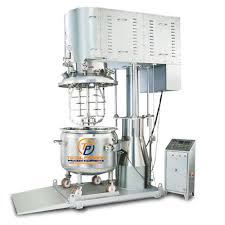
What is a Pharmaceutical Mixer?
Pharmaceutical mixer is a specialized machine designed for the purpose of mixing various pharmaceutical products in different forms, such as powders, granules, and liquids. This machine ensures that the components of pharmaceutical products blend evenly, which is crucial for maintaining product quality and consistency in the pharmaceutical industry. Its primary function is to break down large molecules into smaller ones to facilitate better harmonization during the mixing process. As a result, pharmaceutical mixers are an essential piece of equipment in both the development and manufacturing stages of pharmaceutical production.
Purpose of Pharmaceutical Mixer
Pharmaceutical mixers are used extensively in laboratory settings and large-scale pharmaceutical production environments. These machines are used to blend different substances, such as:
- Granules with other granules
- Granules with powders
- Powders with powders
- Liquids with liquids
- Liquids with powders
Additionally, pharmaceutical mixers are also utilized for emulsifying, blending, and breaking down large molecular particles into smaller ones. These functions are vital for creating uniform and consistent products, which is especially important in the production of oral medications, creams, suspensions, and other pharmaceutical products.
Comparing Pharmaceutical Mixers and Pharmaceutical Bins
Though pharmaceutical mixers and pharmaceutical bins are both integral components in the pharmaceutical production process, they serve different roles:
- Pharmaceutical Mixer: Primarily designed for the blending of ingredients to ensure consistency and uniformity in the final product. It is used to ensure that all components are properly mixed to achieve the desired composition and quality.
- Pharmaceutical Bin: A pharmaceutical bin is more of a storage and transportation device that facilitates the movement of materials within the production line. It is commonly used to ensure the proper flow of materials in the manufacturing process and often works in tandem with other pharmaceutical equipment.
Despite these differences, both pharmaceutical mixers and bins share common features:
- Closed Operations: Both machines are designed to operate in closed environments, minimizing the risk of external contamination and pollution during the manufacturing process.
- Stainless Steel Construction: Both devices are typically made from high-grade stainless steel to ensure that they are durable, corrosion-resistant, and easy to clean.
- Quality Standards: Both mixers and bins are subject to strict international quality standards, such as the current Good Manufacturing Practices (cGMP), ensuring that they meet the required regulatory standards for pharmaceutical production.
What is a Multi-Directional Motion Mixer?
A multi-directional motion mixer is a type of pharmaceutical mixer that operates with a drum that moves in multiple directions. This unique motion allows materials within the drum to flow from one location to another, which ensures that all components are evenly mixed. This movement helps to minimize issues such as de-mixing or uneven blending, which can occur in traditional mixing processes. The smooth surface of this type of mixer also contributes to its efficiency and ease of cleaning, and its closed operation reduces the risk of contamination. Additionally, multi-directional motion mixers help reduce environmental pollution because of their enclosed design.
Types of Pharmaceutical Mixers
Several types of pharmaceutical mixers are used in the industry, each designed to handle specific materials or blending requirements. Below are some of the most commonly used mixers:
- Agitator:
- Used for mixing liquids, this type of mixer is ideal for mixing miscible liquids or gas into a liquid.
- It is not suitable for thick or highly viscous materials.
- Ribbon Blender:
- Ideal for blending heavy solids, especially free-flowing powders.
- The blender contains a cylindrical container with ribbon-like paddles that rotate around a central axis.
- Paddle Mixer:
- Similar to a ribbon blender but uses paddle-shaped blades instead of ribbons.
- Suitable for mixing dry, friable products and a variety of wet or viscous materials.
- Static Mixers:
- These mixers have no moving parts but use internal obstructions to create turbulence in the flow of materials.
- They are energy-efficient and require little maintenance.
- Emulsifiers:
- Used to mix immiscible liquids, such as oil and water, by forcing them through fine filters to break large molecules into smaller ones.
- Homogenizers:
- These mixers use high pressure and force to blend liquids, breaking down particles to a fine, uniform size.
- Drum Mixers:
- These come in both portable and stationary forms and are typically used to mix low to medium-viscosity products like syrups and ointments.
- Heavy-duty Mixers:
- Designed to handle highly viscous materials, these include planetary and multi-shaft mixers.
- Tumble Blenders:
- Used for mixing powders and solids, they rely on gravity to move the materials within the mixing chamber.
Benefits of Pharmaceutical Mixers
Pharmaceutical mixers offer several key benefits that enhance production efficiency and product quality:
- Improved Mixing: Pharmaceutical mixers help in breaking down large molecules and ensure uniform blending, which is essential for the consistency of pharmaceutical products.
- Blending of Immiscible Liquids: Some mixers are capable of blending even liquids that do not typically mix, such as oil and water.
- Increased Production Efficiency: These machines improve the mixing process, making it faster and more efficient, which leads to higher production volumes.
- Reduced Contamination Risks: Operating in closed environments, these mixers minimize the chances of contamination by protecting the products from external elements.
- Cost-Effective: Pharmaceutical mixers reduce the need for manual labor and human intervention, which can be expensive and inefficient in large-scale production processes.
Ribbon Mixers
Ribbon mixers are one of the most common types of pharmaceutical mixers. These machines are equipped with long, ribbon-like paddles that rotate around a central axis to mix materials efficiently. There are two main types of ribbon mixers:
- Vertical Ribbon Mixer:
- This mixer features a vertical screw that moves the product upward before allowing it to fall back down, creating a continuous cycle of mixing.
- Horizontal Ribbon Mixer:
- It uses paddle blades to rotate in opposite directions, ensuring uniform mixing within a short period of time.
How Does a Ribbon Mixer Work?
A ribbon mixer operates by first filling the container to about 50% of its total volume. The machine is powered on, and the ribbon-like paddles rotate in opposite directions, allowing the materials to be mixed thoroughly. The rotation of the paddles creates a continuous motion, which results in even blending of the products. After the mixing process is complete, the materials are discharged from the mixer.
V-Shell Blender
The V-shell blender, also known as the twin-shell blender, is another popular pharmaceutical mixing device. This machine uses gravity to mix materials, with two cylinders connected at an angle. As the blender tumbles, the products inside the cylinders are agitated and mixed together. The V-shell blender is particularly effective for precise formulations and achieving homogeneous mixtures, making it ideal for products that require a high level of consistency.
Critical Components of Pharmaceutical Mixers
Pharmaceutical mixers contain several key components that contribute to their functionality and efficiency. Some of the critical components include:
- Material Vacuum Loader: Used to load materials into the mixer without contamination.
- Shear Mixer Granular: Facilitates fine particle mixing by applying shear forces.
- Fluid Bed Drier: Helps dry materials during the mixing process.
- IBC Bin Blender: A bulk container blender used for large volumes of materials.
- Powder Transfer System: Allows for the efficient movement of powders from one stage of production to another.
Pharmaceutical Mixer Applications
Pharmaceutical mixers are used in a variety of industries, not just in the pharmaceutical sector. Some industries that benefit from pharmaceutical mixers include:
- Adhesives and Sealants: For mixing the various components that make up adhesives and sealants.
- Agricultural Industry: Used in the production of animal nutrition products, medicines, and chemicals.
- Cosmetic Industry: For mixing products like creams, lotions, and shampoos.
- Chemical Industry: Used for mixing chemical compounds in the production process.
- Food and Beverage Industry: For blending fruits, flavors, and other ingredients.
Pharmaceutical Mixer Work Mechanism
A pharmaceutical mixer operates by charging powders, liquids, or granules into a U-shaped container, which is then sealed. The operator sets the mixing time and speed, and the equipment begins to rotate. During rotation, the impeller and chopper blades move the materials, resulting in a tumbling and swirling motion that ensures uniform mixing. The mixing process usually takes 3 to 5 minutes for dry products and 5 to 10 minutes for wet products.
Features to Look for When Importing Pharmaceutical Mixers
When importing a pharmaceutical mixer, it’s important to consider various features that ensure efficiency, safety, and ease of operation:
- Efficiency: The mixer should be able to operate at high speeds and with minimal product loss.
- Safety: The machine should have safety mechanisms in place, such as emergency stop buttons, electric cut-outs, and interlocking systems.
- Durability: The mixer should be made from high-quality materials like stainless steel to ensure long-lasting performance.
- Compliance: Ensure that the mixer meets industry standards, such as cGMP and CE certifications.
Conclusion
Pharmaceutical mixers are essential machines that play a pivotal role in the production of high-quality pharmaceutical products. From breaking down large molecules into smaller ones to ensuring that different substances mix uniformly, these mixers are indispensable for maintaining product consistency and improving production efficiency. With various types of mixers available, each designed to handle specific tasks, the pharmaceutical industry is well-equipped to produce a wide range of products, from tablets to creams, to meet the growing global demand for pharmaceuticals.