
|
Getting your Trinity Audio player ready... |
What is a Face Mask Packer?
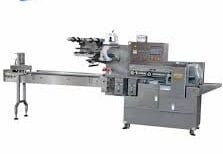
Face Mask Packer: A face mask packer is a specialized electromechanical device used primarily for the purpose of filling, folding, and sealing facial mask products. These machines are essential in the packaging of cosmetics used in skincare routines. Face masks, in the context of cosmetics, are products designed to nourish and improve the health of the skin. They are often formulated to hydrate, cleanse, or replenish nutrients lost from the skin. As a part of their function, face masks also serve as barriers to prevent the skin from absorbing potentially harmful chemicals that may be present in certain beauty products.
The packaging of face masks involves several key materials, including cartons, pouches, tubes, and bottles. These materials are filled, sealed, or folded using various techniques depending on the design of the packaging machine and the specific requirements of the manufacturer.
What is a Face Mask Packer Used For?
A face mask packer is designed to perform a variety of essential functions in the production and packaging line for facial mask products. These functions include:
- Preparing Packing Materials: The machine is capable of preparing a wide range of packaging materials such as cartons, tubes, or bottles, ensuring that they are ready to be filled with face masks.
- Cutting and Shaping: The machine helps in cutting the packaging materials into proper sizes suited for the face masks, ensuring each package is perfectly sized for the product.
- Filling: One of the most crucial functions of a face mask packer is to fill the packaging material with the appropriate amount of the face mask. Whether the face mask is in liquid, gel, or sheet form, the packer ensures accurate filling.
- Labeling and Printing: Face mask packers can also print necessary information on the packaging. This includes labels that provide important details such as the brand name, manufacturing and expiration dates, ingredients, and usage instructions.
In addition to face masks, these machines can be adapted for the packaging of a wide variety of other products, such as medicines, ointments, food, and even condoms.
For automatic face mask packers, the integration with other manufacturing equipment allows the creation of a fully automated production line. This feature further streamlines operations and enhances overall efficiency in large-scale production facilities.
Benefits of Automatic Face Mask Packing Machines
Investing in an automatic face mask packing machine brings a host of advantages, particularly for manufacturers who seek efficiency and scalability in their production operations. Some key benefits include:
- Time Efficiency: An automatic face mask packer can drastically reduce the amount of time required for packaging operations. Manual packaging, while possible, is often slow, labor-intensive, and prone to human error. Automatic systems, on the other hand, can handle a much higher volume of products in less time, significantly reducing the time needed for each batch.
- Faster Production: Automatic packers are equipped with advanced PLC (programmable logic controller) control systems that enhance the speed and precision of the packaging process. This results in faster production cycles, allowing manufacturers to meet tight deadlines and high-volume demands more efficiently.
- Increased Accuracy and Efficiency: Automatic systems are known for their precision and uniformity. Unlike manual or semi-automatic packing systems, automatic face mask packers help eliminate variability and inconsistencies in packaging, which can otherwise result in waste or quality issues. The automation ensures that each product is packaged uniformly and accurately.
- Enhanced Productivity: By automating the packing process, manufacturers can increase their productivity without needing to add additional labor. The reduction of downtime between packing cycles, as well as the continuous operation of the automatic system, increases the overall output of the production line.
- Minimal Human Intervention: A key feature of automatic face mask packers is that they require minimal human input. Once set up, the machine can run continuously with little intervention, aside from routine maintenance and oversight. This leads to greater consistency, fewer errors, and a reduction in labor costs.
Key Features of an Automatic Face Mask Packing Machine
Automatic face mask packers are equipped with several key features that make them highly efficient and suitable for large-scale production environments:
- PLC Control System: The heart of an automatic face mask packer, the PLC control system allows for precise management of the machine’s functions, making it easy to monitor and adjust parameters like speed, filling volume, and temperature settings.
- Large Touchscreen Display: A user-friendly interface is typically provided through a large touchscreen display. This allows operators to easily input settings, adjust parameters, and monitor the performance of the machine in real time.
- Automatic Alarm System: These machines often include an alarm system that activates in the event of a malfunction or emergency. This ensures that any issues are promptly addressed before they disrupt the entire production process.
- High-Quality Construction Materials: Given the nature of the products being handled, face mask packers are usually made from high-quality, durable materials that are resistant to rust and corrosion. This is particularly important when the machine comes into contact with cosmetic products, which can be sensitive to contaminants.
Applications of Face Masks Across Industries
The use of face masks extends beyond the cosmetic industry. They are found in a variety of sectors, each of which benefits from the functionality of a face mask packer. Key industries include:
- Cosmetics Industry: The most common use of face mask packers is within the cosmetics industry, where facial masks are an essential product for skincare. These products come in a wide range of formulations, including hydrating, anti-aging, and cleansing masks.
- Pharmaceutical Industry: Face masks are also used in the pharmaceutical industry, especially for products that require direct skin application. Whether for soothing or medicinal purposes, packaging face masks ensures that these products are correctly sealed and labeled.
- Food Industry: Some food products, such as sheet masks infused with nutrients, may be packaged using face mask packers. This is particularly common in the emerging trend of edible beauty products.
- Medical Industry: Face masks are a crucial part of the medical industry, particularly during times of heightened hygiene awareness, such as in response to health crises like pandemics. Medical-grade face masks need to be precisely packaged and sealed for optimal use.
How a High-Speed Face Mask Folding Machine Works
A high-speed face mask folding machine is a specific type of face mask packaging system designed for large-volume and highly complex applications. This fully automated machine works in a series of well-defined steps:
- Feeding: The operator loads the packaging bags into the machine, and the face mask material (such as liquid or gel) is placed into the hopper.
- Initialization: Once the system is powered on and the necessary parameters are set, the machine automatically begins the process of feeding packaging bags from the storage unit into the filling station.
- Opening the Bag: Using automated mechanisms, the machine opens the packaging bags to prepare them for filling.
- Filling: The machine’s photoelectric tracking system ensures that the right amount of face mask material is dispensed into each bag, preventing spillage and waste.
- Sealing: After filling, the bags are moved to the sealing station, where heat sealing methods are used to close the bags securely.
- Labeling and Printing: Once sealed, the bags are transported to a labeling station, where the machine prints the required product information, such as manufacturing and expiration dates, ingredients, and brand logos.
- Ejection: Finally, the filled, sealed, and labeled bags are ejected from the machine, ready for further packaging or shipment.
Main Components of a Face Mask Packer
The structure of a face mask packer is composed of several key components that work together to ensure smooth operation:
- Control System: This system is responsible for the operation of the machine and includes both hardware and software that enables precise control of the packaging process.
- Filling Head: This component is where the packaging material is filled with the face mask formula.
- Frequency Conversion Equipment: This adjusts the speed of the machine based on the production needs.
- Bag Storage Unit: This is where the packaging materials are stored before they are fed into the machine.
- Conveyor: The conveyor system ensures that materials are moved through each stage of the packaging process.
- Safety System: Equipped with safety alarms and protective doors, this system ensures that the machine operates safely and that the operator is not exposed to hazards.
- Photoelectric Tracking System: This feature ensures that bags are in position before they are filled, preventing errors and waste.
- Filling Pump: This pump is responsible for transporting the face mask material from the hopper to the filling station.
Special Requirements for Face Mask Packaging
Certain requirements must be met to ensure that the face mask packaging process is efficient and effective:
- Accurate Filling: It is essential that the correct amount of material is filled into each package to avoid wastage or underfilling.
- Proper Temperature Control: The temperature used during the sealing process must be carefully regulated to ensure that the bags are sealed properly without damaging the product.
- Machine Speed: The speed of the conveyor and machine must be set according to the production requirements to avoid bottlenecks.
Best Materials for a Face Mask Packer
Face mask packaging machines are typically made from high-quality materials like stainless steel. This material is highly resistant to rust and corrosion, which is critical for maintaining the hygiene standards required in the cosmetic and pharmaceutical industries.
Specifying the Right Face Mask Packer Machine
When selecting a face mask packing machine, it’s essential to consider factors such as the type of machine (manual, semi-automatic, or automatic), control mechanisms (e.g., PLC or digital systems), speed, and additional features like filling error tolerance and drive systems.