
|
Getting your Trinity Audio player ready... |
SSRIs-Pharmacology of SSRIs: A Comprehensive Overview
SSRIs: Selective serotonin reuptake inhibitors (SSRIs) are one of the most commonly prescribed classes of medications worldwide. Their use has skyrocketed, especially in the United States, where antidepressant consumption increased by 65 percent between 1999 and 2014. SSRIs are a popular choice among healthcare providers due to their efficacy in treating a wide range of psychiatric conditions, including depression and anxiety disorders. Understanding the pharmacological mechanisms, clinical uses, side effects, and considerations for their safe use is essential for both patients and healthcare providers.
Introduction to SSRIs
SSRIs, while being a prominent class of antidepressants, are just one option among various treatments for mood disorders. Other classes, such as serotonin-norepinephrine reuptake inhibitors (SNRIs), tricyclic antidepressants (TCAs), and selective serotonin and norepinephrine reuptake inhibitors (SNRIs), also provide therapeutic benefits. However, SSRIs are often considered first-line treatments, particularly in cases of moderate-to-severe depression where psychotherapy or lifestyle modifications have not been effective.
Some common SSRIs include:
- Citalopram (Celexa)
- Escitalopram (Lexapro)
- Fluoxetine (Prozac)
- Sertraline (Zoloft)
- Paroxetine (Paxil)
- Fluvoxamine (Luvox)
These medications are widely prescribed not only for depression but also for various anxiety disorders such as generalized anxiety disorder (GAD), social anxiety disorder (SAD), panic disorder, and obsessive-compulsive disorder (OCD). They may even be used for conditions not formally listed in the prescribing guidelines, further underscoring their versatility in psychiatric treatment.
Mechanism of Action
At the core of SSRIs’ effectiveness lies their ability to influence serotonin levels in the brain. Serotonin, also known as 5-hydroxytryptamine (5-HT), is a neurotransmitter involved in regulating mood, emotions, and other physiological functions such as sleep and appetite.
The brain contains neurons that communicate with each other by releasing neurotransmitters into synapses, the gaps between two nerve cells. After serotonin is released by a presynaptic neuron, it crosses the synaptic cleft and binds to receptors on the postsynaptic neuron. This binding activates a cascade of events that lead to mood elevation and a sense of well-being. However, much of the serotonin does not reach these receptors and instead gets reabsorbed into the presynaptic neuron through a process called “reuptake.”
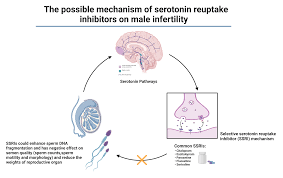
SSRIs work by inhibiting the reuptake of serotonin, leading to an increase in serotonin concentration in the synaptic cleft. As a result, more serotonin is available to bind to the postsynaptic receptors, thereby enhancing the neurotransmitter’s effects on mood and emotional regulation.
While SSRIs help increase serotonin availability, long-term use leads to compensatory changes in the brain. Chronic exposure to SSRIs can reduce the production of serotonin in presynaptic neurons and downregulate the number of serotonin receptors on postsynaptic neurons. Despite these changes, the therapeutic benefits of SSRIs in treating mood disorders remain significant. The exact mechanism by which these adaptations lead to the antidepressant effects is still not fully understood, but it is believed that the sustained serotonin stimulation plays a crucial role in improving emotional well-being.
Clinical Uses of SSRIs
SSRIs are primarily prescribed for the treatment of:
- Major Depressive Disorder – SSRIs are the first-line treatment for patients with moderate to severe depression, especially when other forms of therapy like cognitive-behavioral therapy (CBT) or lifestyle changes have failed.
- Anxiety Disorders – These medications are effective in treating various anxiety disorders, including generalized anxiety disorder (GAD) and social anxiety disorder (SAD).
- Panic Disorder – SSRIs are commonly used to manage the symptoms of panic attacks and the anxiety associated with panic disorder.
- Obsessive-Compulsive Disorder (OCD) – SSRIs can help manage the compulsive behaviors and intrusive thoughts characteristic of OCD.
Additionally, SSRIs may be used off-label for other conditions, including post-traumatic stress disorder (PTSD), premenstrual dysphoric disorder (PMDD), and eating disorders, further highlighting their broad clinical application.
Side Effects of SSRIs
While SSRIs are generally well-tolerated, they are not without side effects. Common adverse effects include:
- Gastrointestinal Distress – Nausea, abdominal discomfort, and loss of appetite are frequently reported, especially when starting the medication.
- Sexual Dysfunction – Many patients experience sexual side effects, such as reduced libido, delayed ejaculation, or difficulty achieving orgasm.
- Weight Changes – Some patients may experience weight loss, while others may gain weight.
- Restlessness or Agitation – Increased nervousness or restlessness is another possible side effect.
- Suicidal Thoughts – Particularly in younger patients, SSRIs can increase the risk of suicidal ideation, which necessitates close monitoring, especially during the early stages of treatment.
Other potential side effects include:
- QT Interval Prolongation – Certain SSRIs, such as citalopram, are known to prolong the QT interval on the electrocardiogram (ECG), which can increase the risk of arrhythmias.
- Lowered Seizure Threshold – SSRIs may lower the threshold for seizures in susceptible individuals.
- Increased Risk of Bone Fractures – Some studies have shown a potential link between long-term SSRI use and an increased risk of bone fractures, especially in older adults.
- Photosensitivity and Skin Rash – Some individuals may experience increased sensitivity to sunlight or develop a skin rash.
SSRIs can also interact with other medications, particularly those that affect serotonin levels, such as monoamine oxidase inhibitors (MAOIs), tricyclic antidepressants (TCAs), and certain painkillers like tramadol and pethidine. Combining SSRIs with these drugs can lead to serotonin syndrome, a potentially life-threatening condition caused by excessive serotonin activity in the brain. Symptoms of serotonin syndrome include agitation, confusion, rapid heart rate, elevated blood pressure, and in severe cases, seizures and death.
Considerations for Safe Use
When prescribing SSRIs, healthcare providers must take several factors into account:
- Drug Interactions – SSRIs should not be combined with other serotonergic medications, including MAOIs, St. John’s Wort, lithium, and SNRIs, due to the risk of serotonin syndrome.
- Special Populations – SSRIs should be used with caution in individuals with certain medical conditions, including epilepsy, liver dysfunction, and those who are at risk of gastrointestinal bleeding (e.g., individuals on NSAIDs or anticoagulants).
- Age Considerations – Younger patients, especially children and adolescents, may be more susceptible to the risk of suicidal thoughts and behaviors while taking SSRIs. Close monitoring is necessary during the initial treatment phase.
- Discontinuation – Stopping SSRIs suddenly can cause withdrawal symptoms, including nausea, headache, dizziness, and sleep disturbances. Tapering the dosage gradually over weeks or months can help mitigate these effects.
Conclusion
SSRIs represent a cornerstone in the treatment of depression and anxiety disorders, offering relief for millions of individuals worldwide. While their precise mechanism of action remains partially understood, their ability to increase serotonin availability in the brain provides significant therapeutic benefits. Despite potential side effects and drug interactions, SSRIs remain a safe and effective option for managing mood disorders. Their broad clinical use, along with ongoing research into their long-term effects and mechanisms, ensures that SSRIs will continue to play an essential role in psychiatric care for years to come.