
|
Getting your Trinity Audio player ready... |
Metal Detectors: The Comprehensive FAQ Guide for Optimal Selection and Use in Various Industries
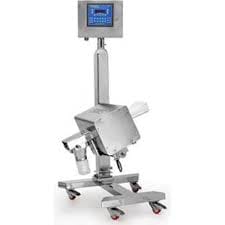
Metal Detectors: When considering investing in a metal detector, it’s crucial to understand all aspects of this equipment. This detailed guide will provide you with all the necessary information you need to make an informed decision when selecting a metal detector for your specific applications. Whether you’re in the food industry or another sector, understanding how these devices work and their various applications can save you time, resources, and potential damage to your reputation.
Why Is a Metal Detector Important in the Food Industry?
The presence of metal contaminants in food can be incredibly hazardous. Even small amounts of metal particles, whether from worn-out machinery or unsafe operational conditions, can compromise the quality of the food product. These contaminants pose a serious risk to public health and can lead to costly product recalls, which not only result in financial losses but can also tarnish your reputation in the marketplace. The trust consumers place in your brand could be severely affected if you fail to ensure the safety and quality of your products.
Here are some of the key reasons why you should prioritize the use of metal detectors in the food industry:
1. Ensuring Product Safety
Using a metal detector guarantees that the food you are producing is free from metal fragments that could be harmful to consumers. Relying solely on visual inspection or manual checks is not sufficient for identifying these contaminants, as they can often be too small to see. A metal detector will provide an extra layer of safety and peace of mind by identifying and removing metal contaminants effectively.
2. Enhancing Quality Assurance
A metal detector streamlines the quality assurance process. It reduces the time spent on manual inspection and ensures consistency in the detection of contaminants. Automatic, low-maintenance detectors further minimize human intervention, allowing for faster and more efficient quality checks. This, in turn, helps maintain a high level of product quality and compliance with industry standards.
3. Equipment Protection
High levels of metal contamination in your food products can often indicate issues with the machinery or production process. Using a metal detector enables early detection of such issues, allowing you to address equipment malfunctions before they cause more serious problems or downtime. Preventative maintenance will ultimately save you significant costs by avoiding extensive damage to machinery and reducing production stoppages.
4. Meeting Customer Expectations
Consumers expect to eat food that is safe and free from harmful contaminants. By using metal detectors in your production process, you are ensuring that your products meet the strict safety standards required for human consumption. This not only helps you comply with food safety regulations but also strengthens your reputation as a trustworthy food producer.
Where Does Metal Contamination Occur in the Production Process? Metal Detectors
Metal contamination can happen at various points during the food production process. Therefore, it’s essential to be vigilant throughout the production cycle to identify and eliminate these contaminants. Here are the key stages where metal contamination can occur:
- In the Field: Metal contaminants can be introduced to raw materials during harvesting or handling in the field.
- During Food Processing: Machines, equipment, or tools used during processing can inadvertently introduce metal particles into the food.
- During Packaging: Packaging equipment can also be a source of contamination, particularly if the machinery is worn or improperly maintained.
How Do Metal Detectors Work?
Metal detectors have evolved significantly over the years. Early models utilized coils wound on non-metallic frames connected to radio frequency receivers and transmitters. Today, these detectors are far more sophisticated, employing advanced technologies such as X-ray inspection systems. While X-ray systems are excellent for detecting various types of contaminants, metal detectors remain highly effective for identifying metal fragments.
Modern metal detectors work by detecting interference in signals caused by the presence of metal. Non-conductive substances, like dry pasta or grain, provide ideal conditions for metal detectors, as they can easily detect metal fragments within these materials.
In a typical detection process, when a metal fragment enters the detection field, it causes an interruption in the signal, which is then flagged by the system. Metal detectors are sensitive enough to identify even the smallest metal contaminants that may be invisible to the human eye.
Types of Metal Contaminants Detected by Metal Detectors
Metal detectors are designed to detect three types of metals in food:
- Ferrous Metals: These metals, which contain a high level of iron, are the easiest to detect because they are magnetic and conductive.
- Non-Ferrous Metals: These metals contain little to no iron and are non-magnetic, though they are conductive. Metal detectors are capable of detecting these contaminants as well.
- Stainless Steel: While stainless steel is a ferrous metal, its high chromium content makes it much more difficult to detect. It does not exhibit the same magnetic or conductive properties as ferrous metals, making it harder to identify. However, modern metal detectors or X-ray systems can be used to detect stainless steel, especially in food products with high salt or water content.
When Should You Use a Metal Detector in the Food Production Process?
Metal detectors can be employed at any stage of the production process to enhance safety and quality control. However, their effectiveness varies depending on the stage at which they are used.
- At the Beginning of the Production Line: Using a metal detector at the start of the production process, such as when mixing dry ingredients, is highly effective for detecting contaminants early on. This allows you to eliminate potential contaminants before adding other ingredients, reducing waste and preventing contamination from spreading throughout the production line.
- At the End of the Production Line: Placing a metal detector at the final inspection point helps ensure that the finished product is free of metal contaminants. This is typically where metal detectors are used in many industries.
- In-Line Metal Detection: For larger or more complex production processes, in-line metal detectors are installed at critical control points within the production line. This method provides constant monitoring, ensuring that contaminants are detected and removed in real-time.
Common Issues with Metal Detectors
Although metal detectors are essential tools for ensuring food safety, they can present challenges, especially if not correctly calibrated or maintained. Some common issues include:
- False Alarms: Metal detectors may sometimes trigger false alarms, leading to unnecessary product rejection. This can be caused by fluctuating moisture levels or other environmental factors affecting the product’s composition. To mitigate this, advanced technologies like multi-spectrum X-ray detectors can help reduce false readings.
- Regulatory Compliance: Adhering to industry regulations and ensuring the metal detection system meets required standards can be challenging, especially in industries with strict compliance requirements.
- Safety Concerns: The safety of workers operating metal detectors is a critical issue. Accidents can lead to downtime, safety violations, and damage to the company’s reputation. It’s essential to ensure that metal detectors are equipped with safety features such as guarded rollers and safety valves, and that operators are properly trained.
How Metal Detectors Improve Quality Assurance
A metal detector plays a crucial role in maintaining product quality by ensuring the following:
- Raw Material Purity: Metal detectors inspect raw materials before they enter the production process. This helps minimize defects and ensures that the materials you receive from suppliers are free from contaminants.
- Final Product Purity: At the end of the production process, metal detectors inspect the finished product to ensure it is free from any metal contaminants. This guarantees that customers receive high-quality, safe food.
- HACCP Compliance: Hazard Analysis and Critical Control Points (HACCP) is a systematic approach to food safety. Metal detectors help meet HACCP requirements by monitoring critical control points and preventing metal contamination.
- Protecting Production Equipment: Metal fragments in the production process can damage machinery, leading to costly repairs and downtime. A metal detector can prevent such damage by identifying and removing contaminants before they cause harm to the equipment.
Choosing the Right Metal Detector for Your Needs
Metal detectors vary in capabilities, and selecting the right one depends on the specific requirements of your production process. Here are the main types of metal detectors:
- Single-Frequency Metal Detectors: These are basic detectors suitable for simple product inspections. They work at one frequency and are ideal for straightforward applications.
- Multi-Frequency Metal Detectors: These detectors can operate at several frequencies, allowing them to detect a wider range of materials with different characteristics.
- Multi-Spectrum Metal Detectors: These high-performance detectors use multiple frequencies simultaneously to achieve maximum sensitivity. They are highly effective for complex production processes where product characteristics may vary.
Factors to Consider When Using a Metal Detector
Several factors can impact the efficiency of a metal detector, including:
- Product Characteristics: The size, density, moisture content, and salt level of the product being processed can all influence the metal detector’s ability to detect contaminants. It’s essential to consider these variables when setting up the detector.
- Environmental Conditions: Metal detectors are sensitive to environmental factors such as temperature fluctuations, humidity, and vibrations. These conditions can affect the performance of the system, so it’s important to install the detector in a stable environment.
- Packaging Material: Certain packaging materials, such as metalized films or foil packaging, can interfere with the metal detection process. In these cases, X-ray systems may be used to complement metal detectors.
Maintaining a Metal Detection Program
To ensure the ongoing effectiveness of your metal detection system, you should establish a comprehensive maintenance program that includes:
- Regular Monitoring: Perform routine checks on the system to ensure it is functioning correctly.
- Calibration: Regular calibration by trained professionals ensures the metal detector operates at peak sensitivity.
- Training: Ensure that operators are adequately trained to handle the system and respond appropriately to any issues that may arise.
Conclusion
Investing in a metal detector is a critical decision that can significantly impact the safety, quality, and reputation of your products. Whether you are in the food industry or another sector, ensuring that your products are free from metal contamination is essential for maintaining public trust and complying with industry standards. By understanding the different types of metal detectors available, how they work, and the challenges you may face, you can make an informed choice that aligns with your operational needs. Regular maintenance, proper installation, and careful monitoring are key to maximizing the effectiveness of your metal detection system and safeguarding your production processes.