
|
Getting your Trinity Audio player ready... |
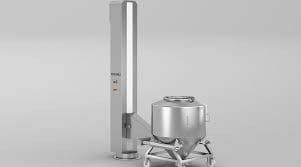
Lifting Column: Overview and Key Information
What is a Lifting Column?
lifting column is a material handling device commonly used in industrial settings to assist in lifting, adjusting, and moving workstations or equipment. It can be particularly beneficial in pharmaceutical and food processing industries, where precision and safety are essential.
Key Functions of a Lifting Column:
- Lifting Loads: Lifting columns can handle materials by adjusting their position from low to high, making it easy to lift and move heavy loads.
- De-agglomerating and Discharging Granules: In pharmaceutical settings, lifting columns help position containers for effective de-agglomeration and controlled discharge of granules.
- Shifting Heavy Equipment: They help in shifting equipment or materials to the desired location during production processes.
- Adjustable Trolleys: Lifting columns can be integrated into movable trolleys, which reduce the need for manual labor and minimize the risk of employee injuries due to frequent bending.
Benefits of Using a Lifting Column:
- Improved Safety: Reduces the risk of employee injury as lifting is automated.
- Time Efficiency: Speeds up material handling, allowing faster operations.
- Cost Reduction: Decreases labor costs and reduces the need for multiple workers.
- Increased Productivity: More efficient material handling leads to improved workflow and productivity.
- Ease of Installation and Operation: The system is user-friendly and simple to set up.
Movable vs Fixed Lifting Columns:
- Movable Lifting Column: Portable and can be moved to different locations within or outside the factory. Ideal for workstations requiring flexibility.
- Fixed Lifting Column: Stationary equipment used in one specific location. While it doesn’t offer the same mobility, it may be suitable for specific tasks requiring stability.
Manual vs Automatic Lifting Columns:
- Manual Lifting Column: Requires human assistance for operation.
- Automatic Lifting Column: Operates independently, performing most functions without human intervention.
Components of a Lifting Column:
- Control Box: Central unit used to control operations such as programming and monitoring the lifting process.
- Chassis Trolley: Facilitates the movement of materials from one location to another.
- Drum Inversion and Lifting System: Handles the lifting and transferring of materials into specific containers or receiving ports.
- Lifter: Provides the surface to lift materials to a higher point.
- Motor: Converts electrical power into energy to perform lifting tasks.
- Pneumatic Height Stop Device: Regulates the stopping points for precise adjustments.
Weight Capacity of Pharma Lifting Columns:
The weight a pharma lifting column can carry depends on its design and manufacturer. Different models are built to support various load capacities, ensuring that they meet the demands of specific operations.
How Does a Lifting Column Work?
The basic operation of a lifting column involves turning on the motor to power the system. The control box is used to program lifting parameters, and the column lifts the container to the required height. Material can then be transferred by opening the valves connected to the container, which discharges the contents into downstream equipment.
Industries Using Lifting Columns:
- Pharmaceutical: To lift and handle ingredients or containers during production.
- Cosmetic: For handling raw materials and ingredients.
- Food Processing: Used for lifting containers of ingredients or products.
- Chemical: Helps with the handling of various chemical materials.
Materials Used for Lifting Columns:
Lifting columns are typically made of stainless steel, particularly AISI 316 for parts in direct contact with materials. Stainless steel ensures durability, corrosion resistance, and ease of cleaning.
Telescopic Design:
The telescopic design of a PharmaLifter helps in precise material charging and transfer. This design prevents dust pollution and is ideal for chemical, food, and medical industries, offering enhanced flexibility and portability.
Hydraulic vs Electric Lifting Columns:
- Hydraulic Lifting Column: Operates based on hydraulic pressure systems and doesn’t require electricity to lift materials. It can be more robust and suited for heavy-duty applications.
- Electric Lifting Column: Powered by electricity, offering automated functionality with ease of use in many industrial settings.
Conclusion:
Lifting columns play a critical role in various industries by providing safe, efficient, and automated material handling solutions. Whether it’s lifting, shifting, or discharging materials, the technology used in lifting columns enhances productivity, reduces labor costs, and improves safety.