
|
Getting your Trinity Audio player ready... |
IBC Blending System: The Ultimate FAQ Guide
Introduction: Understanding IBC Blending Systems
IBC Blending System In industries that require the blending of various materials, the ability to ensure consistency, efficiency, and ease of use is paramount. Blending systems play a crucial role in industries like food, pharmaceuticals, chemicals, and cosmetics, where precise combinations of ingredients are essential to achieving the desired product quality. Among these systems, the Intermediate Bulk Container (IBC) Blending System has emerged as a leading solution. This guide will explore everything you need to know about the IBC blending system, its advantages, applications, and more.
What Is the IBC Blending System?
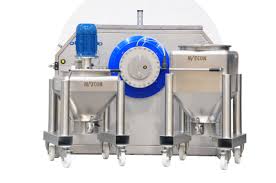
An IBC blending system is a highly efficient machine used primarily for mixing bulk products in a sealed container. It offers a more streamlined and hygienic approach to blending as the entire process occurs within the same container. This eliminates the need for product transfers between machines, which can cause cross-contamination, loss of product quality, or waste.
The system consists of a container, rotating or tumbling mechanism, and a user-friendly control interface. The design and setup of IBC blenders make them ideal for both large-scale industrial production and small batch manufacturing. Their ability to handle a variety of materials—ranging from powders to granules and even some liquids—makes them versatile and valuable in numerous industries.
Why Choose an IBC Blending System?
Selecting the right blending system is crucial to the quality of the final product and the efficiency of the production process. Here’s why the IBC blending system is highly favored:
- Seamless Blending Process: The primary advantage of IBC blenders is that the blending process is contained within the IBC itself. There’s no need for product transfers, which ensures consistency and reduces the risk of contamination.
- Efficiency and Speed: IBC blenders offer faster processing times compared to traditional industrial mixers. The rotation or tumbling motion ensures that all ingredients are evenly blended in a shorter period.
- User-Friendly Interface: Modern IBC blenders come equipped with easy-to-use control systems, often featuring touchscreen panels. These systems allow operators to adjust blending speeds, cycle times, and other parameters with minimal training.
- Durable Construction: Built with stable frames and robust components, IBC blenders are designed for longevity. They are durable, reducing the frequency of repairs and maintenance.
- Electric-Powered: Unlike hydraulic or pneumatic blenders, the electric-powered IBC blending system is quieter, requires less maintenance, and is more energy-efficient.
IBC Blending System vs. Industrial Mixers: What’s the Difference?
At a glance, both industrial mixers and IBC blenders seem to perform similar functions—mixing ingredients to create a uniform product. However, there are key differences:
- Blending Efficiency: IBC blenders typically offer better performance in terms of precision and speed. They blend materials faster and more evenly, particularly for sensitive and high-quality products.
- Container-Based Blending: While industrial mixers often require the transfer of material between different machines or containers, IBC blenders allow the entire process to occur within a single sealed container, significantly reducing the chances of contamination.
- Cost and Energy Efficiency: IBC blenders tend to have lower operational costs because they consume less energy, and they do not require the extensive setup or maintenance of other blending systems.
- Speed of Operation: IBC blenders are optimized for faster loading, unloading, and processing. This results in higher productivity and reduced cycle times compared to traditional industrial mixers.
What Are the Benefits of an IBC Blending System?
The IBC blending system offers numerous advantages that have transformed how industries approach product blending. Below are the key benefits:
- Reduced Risk of Cross-Contamination: Since the product is blended inside a sealed container, there is no need to transfer it between different machines, reducing the risk of cross-contamination.
- Enhanced Blend Quality: IBC blending systems ensure more precise and consistent mixtures, resulting in better product quality. This is particularly important in the pharmaceutical, food, and cosmetic industries where quality control is essential.
- Faster Loading and Unloading: The IBC system’s design allows for rapid loading and unloading, which increases the overall throughput of the manufacturing process.
- Elimination of Cleanup: Traditional blenders require extensive cleaning between batches, which can be time-consuming and labor-intensive. IBC blenders do not require cleanup, as the mixing occurs within the same container, leading to significant time and cost savings.
- Increased Productivity: By minimizing product transfer times and ensuring efficient blending, IBC blenders contribute to increased operational productivity.
- Batch Integrity: IBC blenders improve batch integrity by maintaining product containment. There is no need to remove the mixture from the container, significantly reducing the chances of spillage and contamination.
Are There Any Drawbacks to the IBC Blending System?
While IBC blending systems offer numerous advantages, they are not without their drawbacks. Some limitations include:
- Power Requirements: IBC blenders may require a significant amount of power, especially during the blending process. This could result in higher energy costs, particularly for large-scale operations.
- Size Limitations: The size of IBC blenders is typically constrained by the need for them to remain transportable using a pallet truck. This limits their capacity to handle extremely large batches.
- Complex Control Systems: While the control systems of IBC blenders are generally user-friendly, the initial setup may require some training to ensure the proper configuration. The complexity of the system can sometimes pose a challenge for operators unfamiliar with the technology.
- Initial Cost: The investment in an IBC blending system may be higher compared to traditional industrial mixers. However, the long-term benefits, including reduced maintenance and higher efficiency, usually outweigh the initial costs.
Despite these drawbacks, the IBC blending system remains one of the most popular choices for industries that require precise and high-quality mixing.
What Is the IBC Blending System Used For?
The IBC blending system is used for a variety of applications across multiple industries. Some of the most common uses include:
- Pharmaceuticals: The IBC blending system is used to mix active ingredients with excipients (such as starch, lactose, or cellulose) in pharmaceutical production. The ability to blend these materials accurately and consistently is crucial for producing high-quality medications.
- Food Processing: In the food industry, IBC blenders are used to mix ingredients for products such as spices, cake mixes, powdered drinks, and more. The system ensures that each product batch is homogeneous and free from contamination.
- Cosmetics and Personal Care: Many cosmetic manufacturers use IBC blending systems to mix powders, creams, and other formulations. The system provides a hygienic environment for the production of beauty products while ensuring consistent quality.
- Chemical Processing: In the chemical industry, IBC blenders are used to mix specialty chemicals, fertilizers, and detergents. The containment feature of the IBC system ensures that volatile or hazardous substances can be handled safely.
- Plastic and Metal Industries: The system is also used in the mixing of various materials like metal powders and plastic compounds, which require precise ratios for optimal performance.
How Does an IBC Blending System Work?
The operation of an IBC blending system follows a relatively simple process:
- Loading: The material to be blended is loaded into the IBC container. The container is typically lifted into position using a lifting arm or forklift.
- Rotation: Once the container is in place, the rotary mechanism begins to rotate the bin at a set speed. The rotation causes the contents inside the container to mix thoroughly.
- Blending: As the container rotates, the materials inside are evenly blended, resulting in a homogeneous mixture.
- Control: The operator can adjust various parameters such as rotation speed, blending time, and cycle count via the control panel, ensuring the blend meets the desired specifications.
- Unloading: Once the blending process is complete, the mixed material is unloaded from the IBC container, ready for further processing or packaging.
Key Components of an IBC Blending System
An IBC blending system consists of several key components, each responsible for a specific function. These include:
- Blending Container: The container is where the actual blending process takes place. It can vary in design depending on the type of material being blended.
- Rotation Mechanism: This is responsible for rotating the blending container, ensuring the ingredients are evenly mixed.
- Control Panel: The control panel is used to input and adjust parameters such as mixing time, speed, and cycle settings.
- Clamping Bars or Cage Mechanism: These are used to secure the container in place during the blending process, ensuring stability and minimizing vibrations.
- Charging and Discharging Ports: These are the entry and exit points for materials being loaded into or unloaded from the blending container.
Types of Blending Systems: How Does IBC Compare?
There are several types of blending systems available, including:
- IBC Tumbler Blenders: Best for free-flowing powders and solids, IBC tumblers offer excellent product containment and rapid turnover.
- Ribbon Blenders: Ribbon blenders are designed for blending dry powders and can achieve high-speed blending. These are commonly used in the food and chemical industries.
- V-Blenders: These are ideal for blending small to medium-sized batches of powders. V-blenders have a V-shaped design that allows for thorough mixing.
- Double Cone Blenders: Known for their simple design, double cone blenders are used to blend free-flowing granules and powders. They are efficient and easy to clean.
Best Material for IBC Blenders
The best material for making an IBC blender is stainless steel. Specifically, AISI 316 stainless steel is used for parts in contact with the material, while AISI 304 is used for other components. Stainless steel is preferred for its resistance to rust, ease of cleaning, and ability to maintain product purity. It ensures that the blender remains durable and hygienic throughout its lifecycle.
Conclusion
The IBC blending system has revolutionized blending practices across various industries. By offering fast, efficient, and hygienic mixing, it addresses key challenges like contamination and quality control. With its versatility, ease of use, and cost-effective operation, the IBC blending system is set to remain the preferred choice for companies involved in pharmaceutical, food, chemical, and cosmetic manufacturing. Whether you’re mixing powders, granules, or even liquids, an IBC blender provides a reliable and high-performance solution to meet your blending needs.